

Let’s be honest for a moment. You walk into your home after a long day and instead of feeling relaxed, you feel slightly annoyed, bored, or disconnected. Maybe the space feels dull, cluttered, or just not “right,” but you can’t explain why. You might scroll endlessly through social media, saving beautiful rooms and thinking your home could never look like that. Here’s the deal: most people feel this way, especially beginners. You don’t need expensive furniture, a professional designer, or perfect taste to fix it. home interior design ideas are really about small, thoughtful changes that make your space work better for your real life. This article is like a calm, friendly chat, breaking everything down in a simple way so you can slowly build a home that feels comfortable, personal, and welcoming.
What Home Interior Design Actually Means in Real Life

Interior design isn’t about copying luxury homes or following every trend. In simple terms, it’s how your space looks, feels, and functions together. A well-designed home supports your daily habits instead of making things harder. If you love quiet mornings, your home should feel calm and uncluttered. If you enjoy hosting friends or family, it should feel warm and inviting. Beginners often think design is only about appearance, but function matters just as much. A beautiful room that feels uncomfortable or impractical will never feel right, no matter how stylish it looks.
Start With Observation Before Decoration
Before buying anything or changing colors, the most important step is observing your space. Walk through your home slowly and notice how each room makes you feel. Is there enough light? Does the room feel crowded? Is it easy to move around? Many design problems come from poor layout or clutter, not from a lack of decoration. When you understand what feels wrong, the solutions become much clearer. This step alone can save you money and frustration later.
Finding Your Style Without Overthinking It

A lot of beginners get stuck trying to label their style, but you don’t need to fit into one category. Your home can be a mix of ideas as long as it feels balanced. Some people like clean and simple spaces, while others enjoy cozy and layered rooms. Instead of naming a style, focus on how you want your home to feel. Calm, warm, bright, cozy, or open are better guides than labels. Over time, your style will naturally develop as you make choices that feel right to you.
Using Color to Set the Mood
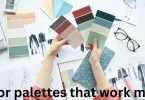
Color plays a huge role in how a room feels, yet it’s often misunderstood. Light colors can make a space feel open and airy, while darker tones can make it feel cozy and grounded. For beginners, neutral colors are a safe foundation because they’re easy to live with and easy to update later. You can always add color through cushions, rugs, curtains, or wall art. This approach keeps your home flexible and prevents regret from bold choices made too quickly.
Furniture Choices That Make Daily Life Easier
Furniture should support how you use a space, not just fill it. One common mistake is buying furniture without considering size and layout. Oversized pieces can make rooms feel cramped, while too many small pieces can feel chaotic. Think about movement and comfort. There should be enough space to walk freely, open doors, and sit comfortably. Furniture placement should encourage conversation, relaxation, or productivity depending on the room’s purpose.
The Power of Lighting in Interior Design
Lighting is one of the most overlooked elements of home design, yet it can completely transform a space. Natural light should always be maximized whenever possible. Keep windows clear and use light curtains to allow sunlight in. Artificial lighting should be layered, combining general lighting with softer, warmer options for evenings. A well-lit room feels more welcoming, spacious, and thoughtfully designed, even if the décor is simple.
Walls That Feel Balanced and Intentional
Empty walls can make a home feel cold, but overcrowded walls can feel overwhelming. The goal is balance. Instead of filling every wall, choose a few meaningful pieces that reflect your personality. Artwork, mirrors, or simple shelves can add character without clutter. When decorating walls, give items room to breathe. Space around objects is just as important as the objects themselves.
Making Small Homes Feel More Open
Small spaces can still feel beautiful and comfortable with the right approach. Decluttering is key, but it doesn’t mean getting rid of everything. It means keeping what you love and use, and storing the rest thoughtfully. Light colors, mirrors, and furniture with visible legs can make rooms feel larger. Smart storage solutions help maintain a clean and open look without sacrificing comfort.
Adding Personal Touches Without Overdoing It
Your home should reflect who you are, not look like a showroom. Personal items like photos, books, and memories add warmth and authenticity. The key is moderation. Instead of displaying everything at once, choose a few meaningful items and rotate them over time. This keeps your space feeling fresh and personal without becoming cluttered.
Textures and Fabrics That Add Comfort
Hard surfaces like floors and walls can make a space feel cold if not balanced properly. Textures add warmth and depth. Rugs, curtains, cushions, and throws soften a room and make it feel more inviting. Mixing different textures, such as wood, fabric, and metal, adds visual interest without needing bold colors or patterns.
Creating a Functional and Inviting Kitchen Space
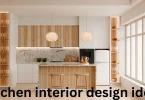
The kitchen is often the most used area of the home, so functionality matters more than decoration. Clear countertops, organized storage, and good lighting make a huge difference. Simple updates like matching containers, clean shelves, and thoughtful lighting can instantly improve how the space feels and functions without major renovations.
Designing a Bedroom That Supports Rest
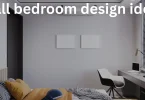
Your bedroom should feel like a retreat, not a storage room. Calm colors, soft lighting, and minimal clutter help create a restful environment. Comfort should always come first, from your mattress to your bedding. A peaceful bedroom improves sleep and overall well-being, making it one of the most important spaces to design thoughtfully.
Mistakes Beginners Often Make and How to Avoid Them
One of the biggest mistakes is trying to do everything at once. Interior design works best when it’s done slowly. Living in your space helps you understand what you actually need. Another common mistake is prioritizing looks over comfort. A beautiful home that feels uncomfortable will never feel complete. Lastly, copying ideas without adapting them to your space can lead to disappointment. Inspiration should guide you, not limit you.
You may also like these
Modern Kitchen Design Trends That Transform Everyday Cooking
Bedroom Decor Trends That Instantly Transform Your Space
Living Room Design Trends That Transform Your Home Instantly
Modern Furniture Trends That Transform Homes with Style
Elevate Your Living Space with the Hottest Home Decor Trends
Trusting Yourself Through the Process
Designing your home is a personal journey. There’s no single right way to do it. Your confidence will grow as you experiment, adjust, and learn what works for you. Mistakes are part of the process and often lead to better decisions later. The most important thing is creating a space that supports your life, not someone else’s expectations.
Final Thoughts and Simple Takeaway
At the end of the day, a well-designed home is one that feels comfortable, practical, and personal. Trends will change, but how your home makes you feel matters far more. The best home interior design ideas are the ones that make daily life easier, calmer, and more enjoyable.Simple takeaway to remember as you move forward: start with observation, choose comfort first, keep colors simple, let light guide your choices, add personality slowly, and allow your home to evolve with you. Designing your space is not a race. Take your time, trust your instincts, and enjoy turning your house into a place that truly feels like home.
FAQs
What are the easiest home interior design ideas for beginners?
Simple changes like choosing a neutral color palette, rearranging furniture, adding cushions, or using indoor plants are easy ways to start without feeling overwhelmed.
How can I decorate my home on a low budget?
You can reuse existing items, add DIY wall art, use affordable lighting, and focus on small accents like rugs or curtains to refresh your space.
Which interior design style is best for small homes?
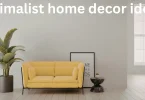
Minimalist and modern styles work well because they focus on clean lines, light colors, and functional furniture that makes spaces feel larger.
How do I choose colors for my home interior?
Start with one main color you love, then build around it using softer shades or neutrals to keep the space balanced and calming.
Can home interior design ideas really change the mood of a home?
Yes, lighting, colors, and layout directly affect how a space feels, making your home more relaxing, energetic, or welcoming.